Showing posts with label Industrial Sealants. Show all posts

Wednesday, 18 December 2019

3 Benefits of Contact Adhesives and other sealants for any Industry


The development of new materials with advanced technology puts additional challenges in the processing department. The reason being when different products have to be joined together to make new components without altering their individual beneficial properties, the one element that plays a major role are adhesives. Although there are several joining techniques available, like traditional and thermal, they come with additional disadvantages that might alter the specific properties. Therefore, it is anticipated that the bonding technology will play an important role in the industrial sector as well as for various other sectors in the future.

 The use of adhesives is not only restricted to the joining process but can be used for sealing off areas to prevent corrosion, joining broken floors, filling the gaps in walls, etc. Therefore it is always advisable to keep such elements handy at your home for any kind of filler purposes. The main areas where you can use adhesives are listed below:

Permanent Joining:

For product manufacturers and even in our daily life, the usages of adhesives like contact adhesives work wonders. It is a special kind of contact cement that dries quickly and because of its nonporous nature, it makes for an excellent choice when it comes to gluing things. Once the bond is made, it is typically pressed to ensure complete contact.

contact adhesives


Industrial uses:

While choosing an industrial sealant, it is necessary to consider the suitability, bond strength and stability of the adhesive being used. As huge and heavy equipment are used in industries, innovative industrial sealants are used to protect against real-world environmental challenges. This kind of sealants is used to seal joints that restrict the entrance of dirt, air, gases, water or any other external substances.

floor adhesive


Regular uses:

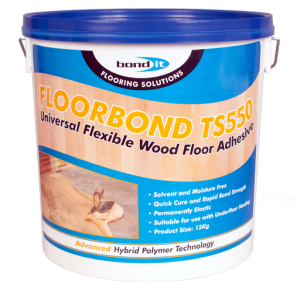
Most of the time, you can see cracks on the floors of your home which hamper the visual aesthetics. In case of emergencies, seeking professional help will be expensive and also requires time. Therefore, keeping a ready-to-use floor adhesive is convenient and will serve as an instant solution for sealing the voids.


Monday, 21 October 2019

The Unparalleled Benefits of Industrial Sealants and Adhesives


Processing technology has come a long way in terms of utilities, the use of new materials, and technological advancements. However, irrespective of the benefits of these avant-garde technologies, it is important for the joining components to retain their properties even after the completion of the process. This has raised many questions over the years regarding the alteration of joining components and whether the joining technology has any positive benefits. Traditional techniques like welding, riveting or brazing are becoming obsolete due to various disadvantages and bonding technology is the new and most popular implementation. The various advantages that come with the use of trade sealants and grab adhesive in bonding technology encompass a large scope of long-term benefits.

Permissible Use of Any Material

If the whole process is supervised by an expert, bonding technology allows a long-lasting bond between, virtually any materials. There does not need to be similarity in terms of composition and the use of contact adhesive will form an even unit without doctoring with their originality.

contact adhesive


Advantageous Processing

Bonding technology is very popular in the spectrum of production processes since it does not interfere with the property of the material in use. In traditional technologies like soldering or welding, there is the application of heat and use of screws and rivets that might change the original structure due to expansion and cause physical damage, respectively.

Versatile Construction Methods

In any product manufacture, industrial sealants help in the joining of materials without any external implication. As a result of such structural independence, the scopes of construction expand furthermore.

Diverse Designing Opportunities

If two materials of different strengths and components are joined into one unit, the finished product will have the structural integrity of a better hybrid. Bonding technology gives smooth, even finishes that might not have been the case with traditional technologies. It is also economical, and the time associated with bonding takes lesser time. With more time in hand, heed can be given to the designing and utilization of labour can concentrate entirely on it rather than worry about subsidiary liabilities.

Wednesday, 21 August 2019

The Beneficial Advantages of Sealants and Adhesives in Construction


New structures are designed and manufactured through various modern applications and robust technological implementations. When two materials of different chemical and physical structures are made to form one entity, their functional properties should remain intact to make use of the composite unit. There are many traditional, mechanical, and thermal techniques to attain the same result but they come with a lot of disadvantages and damage risks. Bonding technology with the use of materials like general purpose silicone, industrial sealants, contact adhesive, and, grab adhesive is slowly garnering effective popularity due to its unadulterated advantages. Bonding technology has surpassed the known standards of mechanical work and collectively put together a scheme that gives a polished finish in less time and budget.


·         Use of any material

Bonding technology is used in joining any two material of choice. This comes in handy especially when something is being customized from scratch. Use of adhesives or sealants will not just give an impeccable finish but also results in a tight cohesion of longer-lasting bonds between materials.

Read More Original Content at industrial sealants

Wednesday, 17 July 2019

5 Essentials Things to Know about the Flooring Tile Grout


When it comes to installing new tiles, the first question appears in mind is whether you must seal the grout. Well, different constructor offers different opinions and that, of course, makes you confused. So, the final time has come to settle this issue once and all. According to the experts of renowned construction houses, not all sorts of grout need to be sealed. The tile grout that is of high-quality doesn't need any kind of sealing whether there are some cement based grouts available in the market that should be sealed.

tile grout


Installation essentials!

If you are planning to install hard tile flooring, then the pieces must be installed into the floor adhesive backing by keeping gaps between them. It refrain the floor from causing any crack in case the material expands.

Grout is primarily used between the lines to seal the gaps so that the material becomes more yielding in order to buffer the expansion.

Flooring materials that require grout:

All kind of natural stone tile flooring, as well as clay-based materials like - porcelain, brick pavers and ceramic, requires grout. Moreover, in some resilient, the grout lines are often utilized decoratively.

Get rid of debris:

High-quality sealants products never absorb debris whereas unsealed grout does. Once the surface is sealed, the grim and dirt won't penetrate it.


Think before you invest!

Installing tile works is not inexpensive and therefore, you must think twice before you make the investment. Different construction houses prefer offering a different kind of building products. So, before you invest in tile flooring, check the ratings of the products to install the best one for your place.

building products


Cut down your work:

Sealing your tiles will cut down the time for cleaning work as these floors can be easily wiped away. Ask the constructor to use a high-quality product for sealing the tiles and grout so that the floor develops a smooth surface. Check the ratings of the professionals before you hire them for installing tiles flooring. Also, stay aware of the hidden costs associated with the services.

Monday, 29 April 2019

4 Ways How Adhesive is Beneficial for the Manufacturing Industry


With the development of scientific technologies, the manufacturing sector has launched many new materials with diverse uses. However, the consistency of this newly developed material remains unaffected with the traditional binding agents. This form one of the main challenges of the manufacturing industry which can only be solved with the use of modernised contact adhesive.


contact adhesive


The traditional joining techniques are often at present considered unfavourable as it damages the surface of the material it is used upon. While the thermal techniques are often the causes of altering the surface of the material, the mechanical techniques are responsible for wreaking the surface material. It is because of this that most industries prefer the use of industrial sealants to traditional bonding methods. Here are a few ways how adhesives are beneficial with their versatile nature:


industrial sealants


Stress Distribution

One of the main reasons for choosing adhesive bonding over other methods is improved stress distribution. If two substrates are put together in a scenario with one fastener then the force is centred on the fastener. However, with the use of adhesive, the force is equally distributed with a stronger assembly.

Fill Larger Gaps

When it comes to filling any large gaps nothing works better than general purpose silicone which is a special kind of adhesive used for sealing joints. This method is called potting or filling and when done with an adhesive improves structural integrity along with dampening movement or vibration.

General Purpose Silicone


Protective Seals

In addition to this, adhesives are used for sealing gaps without any harm to the surface of the material it is applied on. If you’re a manufacturer who relies on fasteners, adhesives can be a big help to you. They offer two solutions as they can hold the assembly together and provide coverage at the same time.

Improving Aesthetics

Products not only needs to look good but work perfectly too. In this case, adhesive improves the aesthetic quality of the product. This way you don’t have to deal with protruding fasteners or weld burns.  Adhesives are also cheaper as compared to other binding materials.    

Friday, 21 December 2018

4 Major Benefits of Silicone Sealants in the Construction Industry


Silicone is used for various applications in a large number of industries all around the world. One of the most common usages for which it is known is waterproofing. Many homemakers and contractors use silicone sealants after they are done installing their doors and windows. They not only provide great insulation for your home but acts as waterproof glue at the same time. You don’t require an expert to take care of the waterproofing requirements at your residence.

Industrial Sealants


Clear silicone sealant exists with a number of qualities that makes it the customer’s number one choice. The majority of silicone used today is either in form of paste, powder or liquid form. Since they are so popular with the customers you can get them in an online portal. Below written are few ways in which sealants are beneficial to the industry are:

Home Repairs

Industrial Silicone Sealants are most frequently used for home repair projects and maintenance. They are also used in racks and joints which are often overlooked during construction. Water-resistant silicone glue is known to fill up gaps, seal-off holes and seams. Their affordability also makes them a well-liked item in the market by customers.

Read More Original Content at Industrial Sealants

Wednesday, 24 October 2018

4 Types of Adhesives and Sealants in Modern Construction Industry

Adhesives are one of the most needed hardware supplies that are used to bind bits and pieces together. They are derived from either natural or synthetic sources and are becoming increasingly popular in the modern construction industry. Sealants, on the other hand, are those materials that change state for isolation purposes and prevent air penetration. These two things made their biggest breakthrough with the advent of industrial mass production.

There are a lot of varieties of adhesives and sealants for various applications mentioned below:


PVA (Polyvinyl adhesive)

These kinds of adhesives are usually known as PVAs and are available in a range of general-purpose formulas, as well as wood and building adhesives. They look opaque white when you squeeze them from the tube and are transparent when dry. Some are also waterproof which is great for fixing the damp areas..

Read More Original Content at floor adhesive

Thursday, 17 May 2018

Prevent the Penetration of Gas and Liquids by Using the Best Sealants


Sealants are the best things to block the passage of gas and fluids through joints or openings in any material. Sealants are often known as caulking as well as they are also used for preventing dust. It creates an adhesive layer upon the surface to prevent the flow of liquid. This product is synthetically manufactured, and therefore, its utilization usually depends upon the surface where the product is placed.


Use of different kinds of sealants:


A good number of sealants are now available in the market and two of them are widely used by the individuals. These two primary sealant products are – general purpose silicone and urethane. Well, silicone contains solvents that adhere strongly to metals, glasses and tiles. But, this product cannot be useful for the wooden surface. Just like silicone, urethane also has showcased its excellent usage in the construction industry.

Read More Original Content at general purpose silicone


Thursday, 16 November 2017

Unmatchable Floor Adhesive Style to Get Elegant Looks inside Your Home

Everyone wishes to decorate their homes with unique designs. You must be counting your name in the same list. Before you start working with your desired flooring style, gather some information on floor adhesive. This process refers to varied solutions, used for installing a floor surface. However, if you are planning to install a wood floor or tile floor, then you must apply sub-floor adhesive techniques. It ensures a well-set up and beautiful floor for your home.

Important Factors to consider for best results –

Best Location:
Interior adhesive installations are not subject to risk as it is protected from water damage and other weather-related issues. But, exterior designs that face rain, sun and snow are in need of a high-quality floor adhesive.

Condition of the floor:
This is one of the most important areas where you must focus before you start with floor adhesive. Check how fast the floor dries and how long you have to wait before walking on it. Moreover, the consistency of the product plays a major role. Too thin consistency of material will wash out the product easily!

Know the Substrates:
Damp and low-quality concrete requires excellent bonding materials than the flooring installed on dry and at-grade concrete. In case, radiant heating is found to be installed, you should opt for a specialty adhesive. Some of the adhesives also work on plywood sheets.

Check the product details:
Once you have decided to install floor or wall adhesive, select the best product to get the most effective result. Some product details are followed by the term as “can also be used for/on” which refers, that the product can be applied, but may not give fruitful result.

Ecological factors!

Be careful while choosing your floor adhesive products as some of them contains toxic materials. These sorts of chemicals are often harmful to the indoor air quality of a particular space. Moreover, it can worsen asthma and may produce other respiratory problems as well. So, purchase your product from the top-most manufacturers in order to avoid these kinds of troubles.